
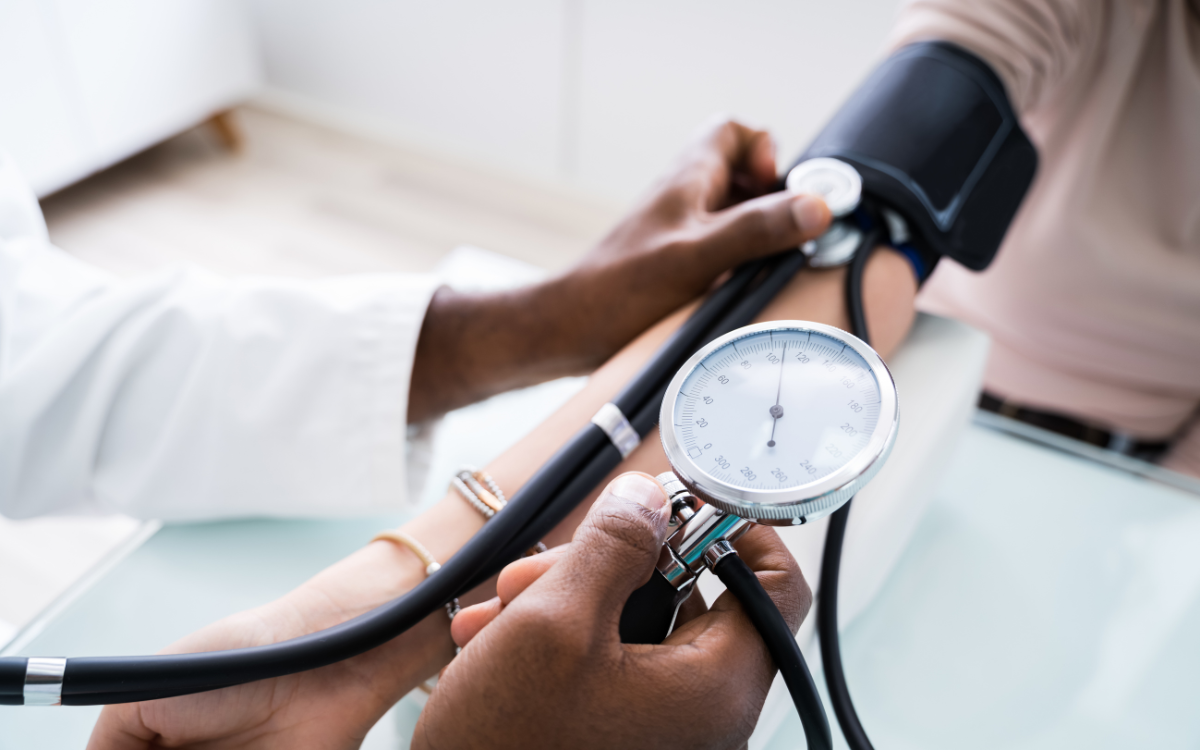
High blood pressure, medically known as Hypertension, is often called the “silent killer” not because it whispers, but because it waits. It can quietly damage your heart, brain, kidneys, and blood vessels long before you notice something is wrong. Many people live with it for years without realizing it, only discovering it after serious complications arise.
But here’s the twist: while hypertension is often symptomless, the body sometimes drops subtle hints—like breadcrumbs leading away from danger. Recognizing these early signs can help you act quickly and protect your health.
Let’s explore 10 early warning signs of high blood pressure you should never ignore.
1. Frequent Headaches
Not all headaches are created equal. Occasional headaches are normal, but persistent or recurring headaches—especially those that feel like pressure building inside your head—can be an early sign of elevated blood pressure.
These headaches often occur in the morning and may feel like a dull, throbbing pain at the back of the head. When blood pressure rises, it can affect the delicate blood vessels in the brain, triggering discomfort.
2. Dizziness or Lightheadedness
Ever felt like the room is gently spinning, even when you’re standing still? Dizziness or lightheadedness can be linked to fluctuations in blood pressure.
When blood pressure is too high, it can affect blood flow to the brain, leading to that unsettling, floating sensation. While dizziness can have many causes, frequent episodes should not be brushed aside.
3. Blurred or Distorted Vision
Your eyes are surprisingly honest reporters of your internal health. High blood pressure can damage the tiny blood vessels in the retina—a condition known as hypertensive retinopathy.
This may lead to blurred vision, double vision, or even temporary vision loss. If your sight starts acting like a faulty camera lens, it’s worth checking your blood pressure.
4. Chest Pain
Chest pain is never something to ignore. While it can be caused by various conditions, high blood pressure can strain the heart, making it work harder than usual.
This strain may lead to discomfort, tightness, or pain in the chest. Think of your heart as a pump forced to push water through a narrow pipe—it eventually feels the pressure.
5. Shortness of Breath
Feeling breathless after minimal activity—or even at rest—can be a sign that your heart and lungs are under stress. High blood pressure can lead to thickening of the heart muscle and reduced efficiency in pumping blood. This can cause fluid buildup in the lungs, making it harder to breathe.
6. Nosebleeds
While occasional nosebleeds can happen due to dry air or irritation, frequent or unexplained nosebleeds may be linked to high blood pressure. Elevated pressure can weaken or damage blood vessels in the nose, making them more prone to rupture. If nosebleeds become a pattern rather than a rare event, it’s time to pay attention.
7. Irregular Heartbeat (Palpitations)
A racing, pounding, or fluttering heart can feel like a drum solo you didn’t ask for. High blood pressure can disrupt the normal rhythm of your heart. These palpitations may occur during rest or activity and can feel alarming. While occasional palpitations can be harmless, frequent episodes may signal an underlying issue.
8. Fatigue or Confusion
Constant tiredness that doesn’t improve with rest can be more than just a busy lifestyle catching up with you. High blood pressure can reduce the efficiency of blood flow, depriving your brain and body of oxygen and nutrients. This may lead to fatigue, confusion, or difficulty concentrating. When your mind feels foggy and your energy dips without explanation, your blood pressure could be part of the story.
9. Difficulty Sleeping
Sleep disturbances—such as insomnia or restless nights—can be linked to hypertension. The relationship goes both ways: poor sleep can raise blood pressure, and high blood pressure can disrupt sleep.
Some people with hypertension also experience conditions like sleep apnea, which further complicates breathing during sleep and worsens blood pressure levels.
10. Facial Flushing
Facial flushing occurs when blood vessels in the face dilate, causing redness or a warm sensation. While it can be triggered by heat, stress, or spicy food, frequent or unexplained flushing may be associated with elevated blood pressure. It’s like your face turning into a warning light—subtle, but worth noticing.
Why These Signs Matter
The tricky thing about high blood pressure is that these symptoms are not exclusive to it. They can be caused by other conditions, which is why many people overlook them. However, when several of these signs appear together or persist over time, they form a pattern that shouldn’t be ignored.
Hypertension doesn’t usually announce itself with fireworks. Instead, it taps gently on the door—headaches here, fatigue there—waiting to see if you’ll notice.
When to See a Doctor
You should consider checking your blood pressure if you:
- Experience multiple symptoms listed above
- Have a family history of hypertension
- Are overweight or physically inactive
- Consume high amounts of salt, alcohol, or processed foods
- Feel consistently unwell without a clear cause
A simple blood pressure test can provide clarity. It’s quick, painless, and widely available at clinics, pharmacies, and even with home monitoring devices.
Preventing High Blood Pressure
The good news is that hypertension is largely preventable and manageable. Small lifestyle changes can make a big difference:
- Eat a balanced diet: Focus on fruits, vegetables, whole grains, and lean proteins
- Reduce salt intake: Excess sodium can raise blood pressure
- Exercise regularly: Aim for at least 30 minutes of moderate activity most days
- Maintain a healthy weight: Even modest weight loss can lower blood pressure
- Limit alcohol and avoid smoking: Both can elevate blood pressure
- Manage stress: Techniques like meditation, deep breathing, or yoga can help
Your body is constantly communicating—you just have to learn its language. High blood pressure may be quiet, but it’s not completely silent. Those early signs are like coded messages, urging you to pay attention before bigger problems arise. Ignoring them is like ignoring a small leak in a dam—it may seem harmless at first, but over time, the consequences can be overwhelming.
So listen closely, act early, and give your health the attention it deserves. Your future self will thank you.
Related: 5 Health Hacks That Actually Work